
Cabinet Wood Stains and Finishes in Fort Collins, CO
Every wood species and finish type used in cabinetry, with samples of each, so you can narrow down what you want before you sit down with a shop.
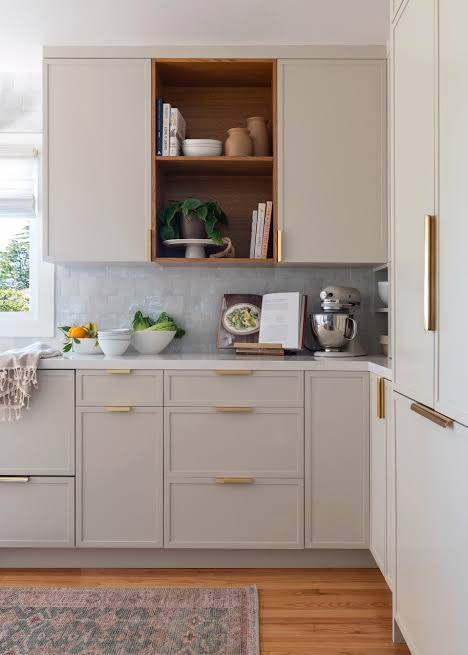
The finish is the part of a cabinet you actually look at every day, and it is the decision homeowners feel least equipped to make. This page lays out the wood species local shops build with and every finish type that can go on them, with a sample of each and a plain explanation of what it does, what it costs you in durability or money, and which situations it suits.
A note on the images on this page: each sample is a rendered representation of that species or finish's tone and grain character, not a photograph of a physical sample. Wood varies board to board and finish varies batch to batch — always look at a real sample from your shop, on your actual wood, before approving a color.
Species
Wood species used in Fort Collins area cabinetry
What each one looks like, how it takes stain, and where it fits in a budget.
Oak

The most recognizable cabinet wood in Northern Colorado, and the one most people picture when they think of a 1990s kitchen.
Red oak has a strong, open grain with wide, sweeping figure that shows through almost any stain you put on it. That grain is the whole personality of the wood. If you like it, oak is excellent value — it is hard, it wears well, and it is usually the least expensive of the traditional hardwoods.
If you do not like it, no stain will hide it. Oak's open pores stay visible even under dark colors, and under paint they telegraph through unless the shop grain-fills first. That is the single most common complaint I hear about oak, and it is worth knowing before you commit.
Oak takes stain readily and evenly, which means it rarely blotches. The trade-off for that predictability is that very light or very white-washed looks are hard to achieve, because the pores fill with pigment and read darker than the surrounding wood.
Common stains shown left to right: Natural, Honey, Golden Oak, Chestnut, Provincial, Dark Walnut.
Quarter Sawn Oak
 Frameless only
Oak cut at a different angle to the log, producing the ray fleck figure associated with Craftsman and Mission cabinetry.
Quarter sawn oak is the same tree cut differently. Slicing the log radially rather than tangentially exposes the medullary rays as bright, irregular flecks across the face of the board. It is a completely different look from plain sawn oak despite being the identical species.
Beyond appearance, quarter sawing produces a more dimensionally stable board. It moves less across its width with humidity changes, which is a genuine practical advantage in Colorado's dry climate where panel movement shows up faster than it does at sea level.
It costs more than plain sawn oak, because the cutting method yields less usable lumber per log. It is most often specified for Craftsman, Mission and Arts-and-Crafts kitchens, where the fleck is the point.
Common stains shown left to right: Natural, Fumed, Mission, Antique, Espresso.
Alder

A softer hardwood with subtle, even grain that stains beautifully — the usual choice when someone wants a cherry look without cherry pricing.
Alder has a fine, relatively uniform grain and a warm pinkish-tan natural color. It takes stain very evenly, which is why it is so often used to imitate cherry: stained warm, alder is genuinely difficult to distinguish from cherry at a glance, and it costs meaningfully less.
The trade-off is hardness. Alder is on the soft end of the cabinet hardwoods, which means it dents more easily than maple or oak. In a busy family kitchen you will pick up dings on drawer fronts and the cabinet faces near the dishwasher faster than you would with a harder species.
For most people that is an acceptable trade for the finish quality and the price. If you have young kids and heavy traffic, it is worth weighing.
Common stains shown left to right: Natural, Wheat, Nutmeg, Cinnamon, Coffee, Ebony.
Knotty Alder

The same wood, selected for character — open knots, checks and color variation left in rather than culled out.
Knotty alder is alder that has not had its knots graded out. It is the signature look of rustic and mountain-style kitchens, and it is extremely popular in Estes Park and the foothills communities for exactly that reason.
Expect real variation. Knots range from tight pin knots to open knots with checks running out of them, and no two doors will match. That is the intent — if you want uniformity, this is the wrong species. Ask your shop how they handle open knots, since some fill them with epoxy and some leave them open, and the two look quite different.
Knotty alder darkens the overall read of a kitchen because the knots are much darker than the surrounding wood. A stain that looks light on a clear sample can land considerably darker across a full run of knotty doors.
Common stains shown left to right: Natural, Harvest, Saddle, Chestnut, Briarwood.
Maple

Hard, pale and very tight-grained. The default choice for painted cabinetry and for clean contemporary looks.
Maple is dense, hard and has an extremely fine grain that reads almost smooth from a few feet away. It is the workhorse of modern cabinetry, and for good reason — it resists denting better than alder or cherry, and its pale, neutral color is a blank canvas.
It is the best of the common species for paint. Because the grain is so tight, painted maple gives you a genuinely smooth surface without the pore-filling step that oak requires. If you want white or colored cabinets in real wood, this is usually the answer.
The one real caution is blotching. Maple's density means it absorbs stain unevenly, and dark stains in particular can go cloudy and patchy without a pre-stain conditioner. Any shop staining maple dark should be using one — I cover why in what is cabinet refinishing.
Common stains shown left to right: Natural, Cream, Amaretto, Pecan, Slate, Onyx.
Hickory

The hardest and highest-contrast of the common cabinet woods, with dramatic light-to-dark variation within a single door.
Hickory is the most visually dramatic species on this page. Sapwood is nearly white and heartwood is a deep reddish brown, and a single door can contain both. The result is a kitchen with enormous natural variation — striking if that is what you want, overwhelming if it is not.
It is also the hardest domestic cabinet wood by a clear margin, which makes it genuinely durable. Hickory shrugs off the kind of daily abuse that dents alder.
Because the natural contrast is so strong, hickory is usually finished with a clear coat or a very light stain. Dark stains flatten the variation and largely waste what makes the wood interesting. If you are drawn to hickory, look at finished kitchens rather than small samples — a two-inch chip cannot show you the range you will actually get across twenty doors.
Common stains shown left to right: Natural, Wheat, Amber, Sable, Char.
Cherry

A fine-grained hardwood with a warm red tone that deepens noticeably with age and light exposure.
Cherry is the traditional premium cabinet wood. It has a smooth, closed grain, a satiny surface once finished, and a natural reddish-brown color that most people find warm without being loud.
The defining characteristic is that cherry changes. It darkens and richens substantially over the first several years, particularly where it gets light. This is expected and generally considered desirable, but it has a practical consequence: if you add a cabinet three years later, it will not match until it has caught up. Plan any phased work with that in mind.
Cherry is moderately hard — harder than alder, softer than maple or hickory — and it is priced at the upper end of the domestic species. It also blotches if stained carelessly, so most shops finish it with a clear coat or a light toner that lets the natural color do the work.
Common stains shown left to right: Natural, Sunset, Autumn, Bordeaux, Mahogany.
Walnut
 Frameless only
Naturally dark chocolate brown with flowing figure. The premium species, priced accordingly.
Walnut is the only common cabinet species that is naturally dark. Everything else on this page gets its depth from stain; walnut arrives that way, which means the grain stays fully visible instead of being muddied by pigment. That is why it looks different from a dark-stained maple even at a distance.
The figure is flowing and irregular, often with lighter streaks of sapwood running through. Most shops steam or select to manage that variation, and it is worth asking how they handle it.
Walnut is the most expensive species most shops offer, frequently by a substantial margin, and it is usually available in frameless construction only. It is also moderately soft for a hardwood. People choose it for the look, and it is a genuinely distinctive look — but go in knowing it is a premium line item.
Unlike cherry, walnut tends to lighten slightly with sun exposure rather than darken.
Common stains shown left to right: Natural, Clear Oil, Espresso.
Knotty Pine
 Frameless only
A softwood with pale yellow tone and prominent dark knots, used for cabin and rustic kitchens.
Pine is a softwood, and that is the main thing to understand about it. It is noticeably softer than every hardwood on this page, and it will dent. In a kitchen that gets real use, expect visible wear far sooner than you would with maple or hickory.
What you get in exchange is the look — pale yellow-cream wood with large, dark, character-rich knots — and a lower price point. It is the classic mountain cabin cabinet, and it belongs in that context.
Pine also blotches badly when stained without a conditioner, more so than maple. And because it is resinous, knots can bleed through paint or light finishes over time unless the shop seals them with a shellac-based primer first. Ask specifically about knot sealing if you are considering painted pine.
Common stains shown left to right: Natural, Honey, Golden, Early American, Weathered.
Paint Grade

Poplar, soft maple or MDF, selected to disappear under an opaque finish rather than to be seen.
Paint grade is not a species so much as a specification. When the finish is opaque, nobody sees the wood, so the shop uses whatever takes paint best and costs least — usually poplar, soft maple, or MDF for the center panels.
MDF panels are actually the preferred choice for painted doors, which surprises people. MDF has no grain and no seasonal movement, so a painted MDF panel will not develop the thin unpainted line at the panel edge that solid wood panels show when they shrink in winter. In Colorado's dry air that line shows up reliably on solid wood painted doors, and it is the single most common painted-cabinet complaint.
Ask what the rails and stiles are versus the panel. A common and good spec is solid poplar frames with an MDF panel — you get the durability of wood where it gets handled and the stability of MDF where it would otherwise move.
For updating existing painted cabinets, see cabinet painting.
Common stains shown left to right: White, Alabaster, Greige, Sage, Navy, Charcoal.
Finish types
Every way a cabinet gets finished
Each finish type below has its own complete guide covering every subtype in detail — the summary here is the short version.
Clear and Natural Finishes

A protective topcoat with no added color, letting the wood's natural tone show exactly as it is.
A clear finish is just topcoat — conversion varnish, catalyzed lacquer or a waterborne product — sprayed directly over sanded bare wood with no stain underneath. It protects the surface and adds a slight warm amber cast (less so with waterborne finishes), but the color you see is the wood's own.
This is the right choice when the species is the point: hickory's contrast, walnut's natural darkness, cherry's warmth. It is also the finish that ages most honestly, since there is no pigment layer to wear through unevenly.
One practical note: clear-finished light woods will yellow somewhat over time under an oil-based topcoat. If you want maple to stay genuinely white-toned, ask for a waterborne finish, which stays much clearer.
Stained Finishes

Pigment or dye absorbed into the wood to change its color while keeping the grain fully visible.
Stain is the most common cabinet finish and the one most people mean when they say "finish." Color is applied to bare wood, wiped back to the desired depth, allowed to dry, and then locked in under a clear topcoat.
The critical thing to understand is that stain color depends on the wood as much as on the stain. The same "Chestnut" on oak, alder and maple produces three noticeably different results, because each species has a different natural tone and absorbs pigment differently. Never pick a stain from a chip on a different species than yours.
Always ask for a sample on your actual wood before the whole kitchen is sprayed. Any reputable shop will do this, and it is the single most effective way to avoid an expensive disappointment.
Glazed Finishes

A tinted layer applied over stain or paint and wiped back, settling into profile detail to add depth and age.
Glaze goes on after the base color, not instead of it. It is wiped over the finished surface and then removed from the flat areas, leaving color behind in the corners, profile detail and grain. The effect is depth and a subtly aged look.
On a painted door, glaze in the profile of a raised panel is what gives a traditional kitchen its hand-finished character. On stained wood, it deepens the overall tone and emphasizes the door's shape.
Glaze is a labor step, so it adds cost. It also amplifies any inconsistency in the underlying finish, which means it needs a shop that does it regularly. Ask to see glazed work specifically, not just their general portfolio.
Painted Finishes

An opaque sprayed color that covers the wood entirely — the most popular cabinet finish of the last decade.
Paint gives you complete color freedom and a uniform surface, and a properly sprayed cabinet-grade paint job is far more durable than most people assume. It is also the only finish that lets you match a specific color chip exactly, since you are not fighting the wood's natural tone.
What you give up is the grain. Under paint the wood disappears, which is why paint-grade species exist — there is no reason to pay for cherry if nobody will see it.
The two questions that determine quality: is it sprayed rather than brushed, and is it a cabinet-grade product (conversion varnish, catalyzed or two-component waterborne) rather than wall paint? Wall paint on cabinets stays soft and shows every fingerprint. See cabinet painting for the full process.
Distressed Finishes

Deliberate physical marking — dents, worm holes, worn edges — applied before finishing to simulate age.
Distressing is done to the wood itself before any finish goes on: rasping edges, denting with chains or hammers, adding simulated worm holes, sanding through at corners where a hundred years of hands would have worn the finish.
It is entirely a style choice, and it is a strong one. Done well it reads as genuinely old furniture. Done heavily it reads as a theme restaurant. Ask any shop to show you their light, medium and heavy distressing so you can calibrate, since those words mean different things at different shops.
There is one practical benefit: a distressed finish hides real wear extraordinarily well. In a hard-use kitchen, new dings simply blend into the intentional ones.
Wire Brushed and Cerused Finishes

The soft grain mechanically removed to leave a textured surface, often with contrasting pigment worked into the open pores.
Wire brushing scrubs out the softer early-wood between the grain lines, leaving a surface you can feel as well as see. It works best on open-grained species — oak above all — and does essentially nothing on tight-grained maple.
Cerusing takes it a step further by working a contrasting pigment, usually white or grey, into those opened pores and then wiping the flat surface clean. The result is a pale line tracing every grain, which is the look behind most contemporary "light oak" kitchens of the last several years.
Both are texture finishes, so they read very differently in person than in photographs. If you are considering either, hold a physical sample under your own kitchen lighting before you decide.
Read the complete guide to wire brushed and cerused finishes ›
Protective Topcoats

The clear wear layer over everything else — and the part that actually determines how long your finish lasts.
Whatever the color underneath, the topcoat is what takes the abuse. It is worth asking about specifically, because it varies more between shops than the color work does and it matters more for durability.
- Conversion varnish — the traditional cabinet-industry standard. Very hard, very chemical-resistant, cures over several days.
- Catalyzed lacquer — slightly less hard than conversion varnish, easier to repair, still well beyond consumer-grade products.
- Two-component waterborne — increasingly common, low odor, stays clearer over time (does not yellow), performance now comparable to solvent-based systems.
- Consumer polyurethane — what you buy at a hardware store. Fine for furniture, under-specified for a working kitchen.
Also ask about sheen. Matte and satin hide fingerprints and minor wear far better than gloss, which is why most cabinet work lands in the satin range. And ask about cure time before you load the cabinets — details in how long cabinet refinishing lasts.
By city
Cabinet Wood Stains and Finishes near you
Find shops discussing wood species and finish options in your city.
- Cabinet Wood Stains and Finishes in Bellvue
- Cabinet Wood Stains and Finishes in Berthoud
- Cabinet Wood Stains and Finishes in Estes Park
- Cabinet Wood Stains and Finishes in Fort Collins
- Cabinet Wood Stains and Finishes in Greeley
- Cabinet Wood Stains and Finishes in Longmont
- Cabinet Wood Stains and Finishes in Loveland
- Cabinet Wood Stains and Finishes in Timnath
- Cabinet Wood Stains and Finishes in Wellington
- Cabinet Wood Stains and Finishes in Windsor
Questions
Cabinet Wood Stains and Finishes frequently asked questions
How do I choose a stain color?
Get your shop to stain a sample of your actual wood species with their actual finish schedule, then look at it in your own kitchen at several times of day. Stain color depends on the wood as much as the stain, so a chip or a sample in a different species will mislead you.
Which wood is best for painted cabinets?
Maple or poplar for the frames and MDF for the center panels. Tight-grained woods give a smooth painted surface, and MDF panels do not shrink seasonally, which is what causes the hairline crack at the panel edge on solid wood painted doors.
Will my white cabinets turn yellow?
Under some conversion varnishes and catalyzed lacquers, yes, gradually. Two-component waterborne topcoats do not yellow. If you are specifying white, ask which topcoat the shop uses and whether it is non-yellowing.
Can I match new cabinets to my existing ones?
Close matching is usually possible if the species is the same, but exact matching is difficult because existing finishes have aged. Cherry in particular darkens substantially over its first few years, so new cherry will not match old cherry until it catches up.
Gallery
Cabinet project photos
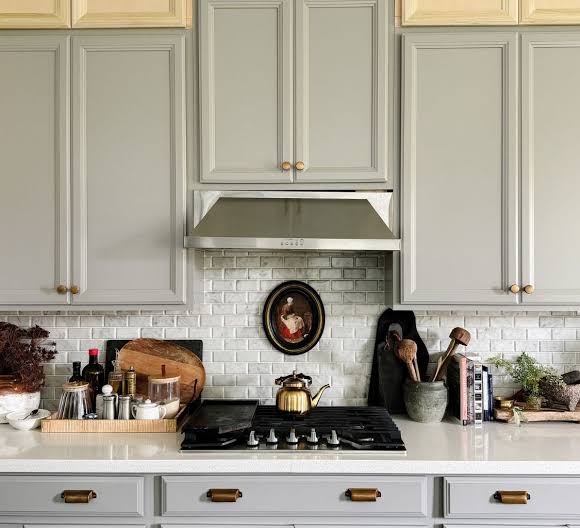
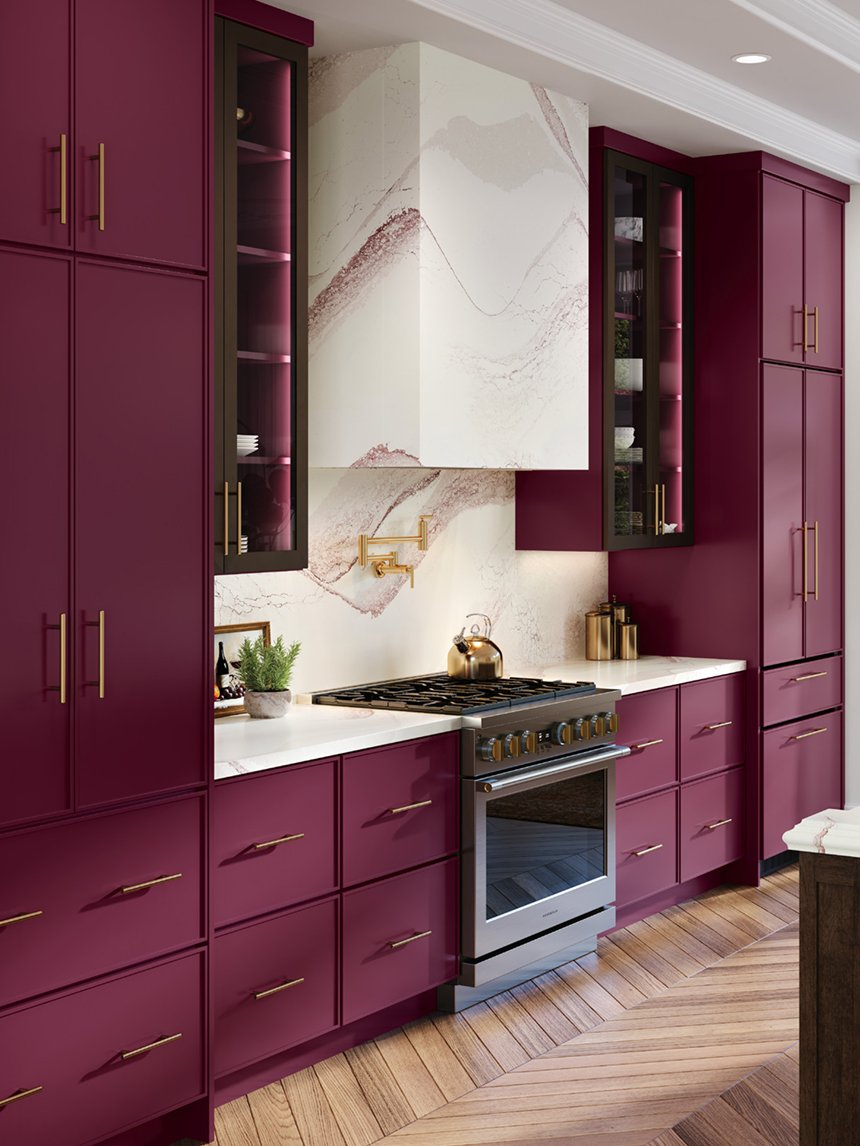
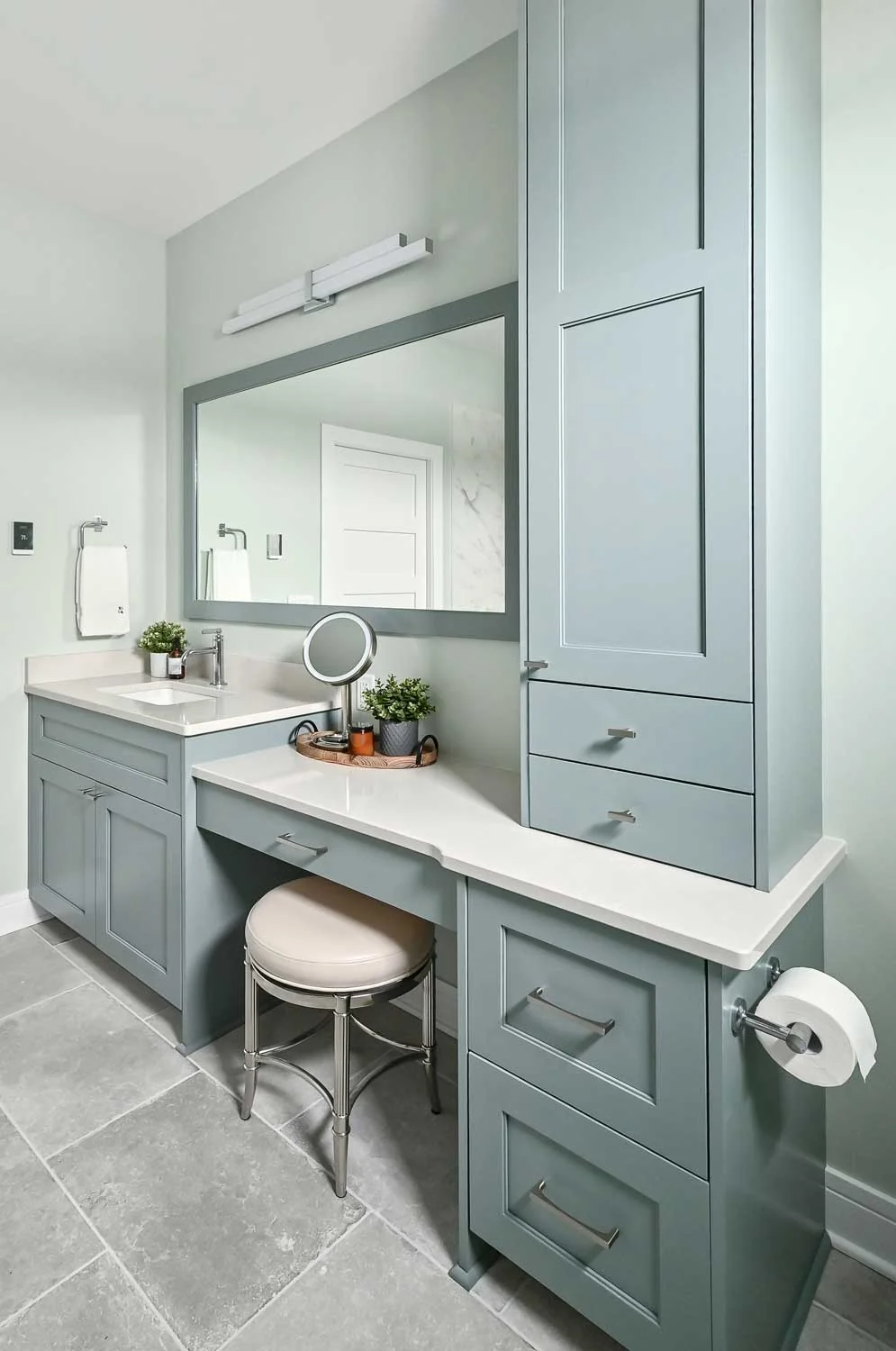
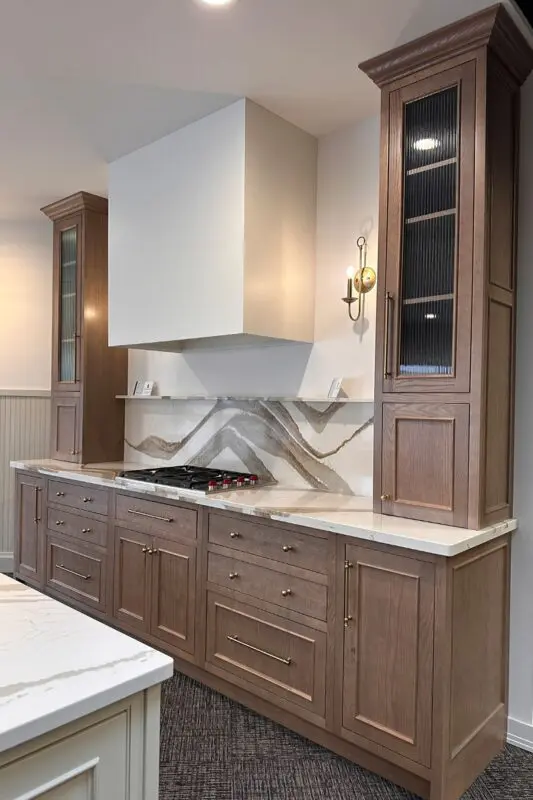
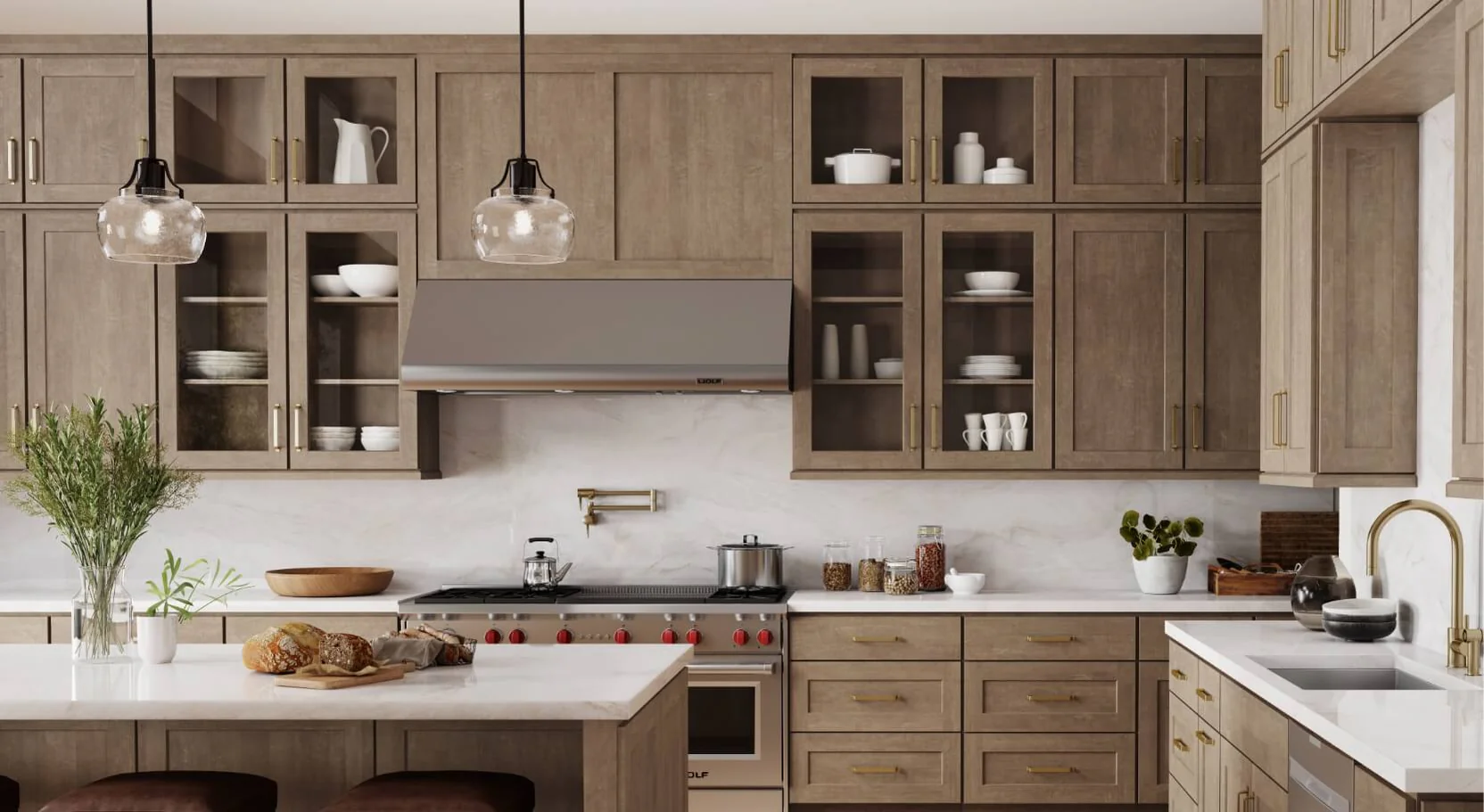
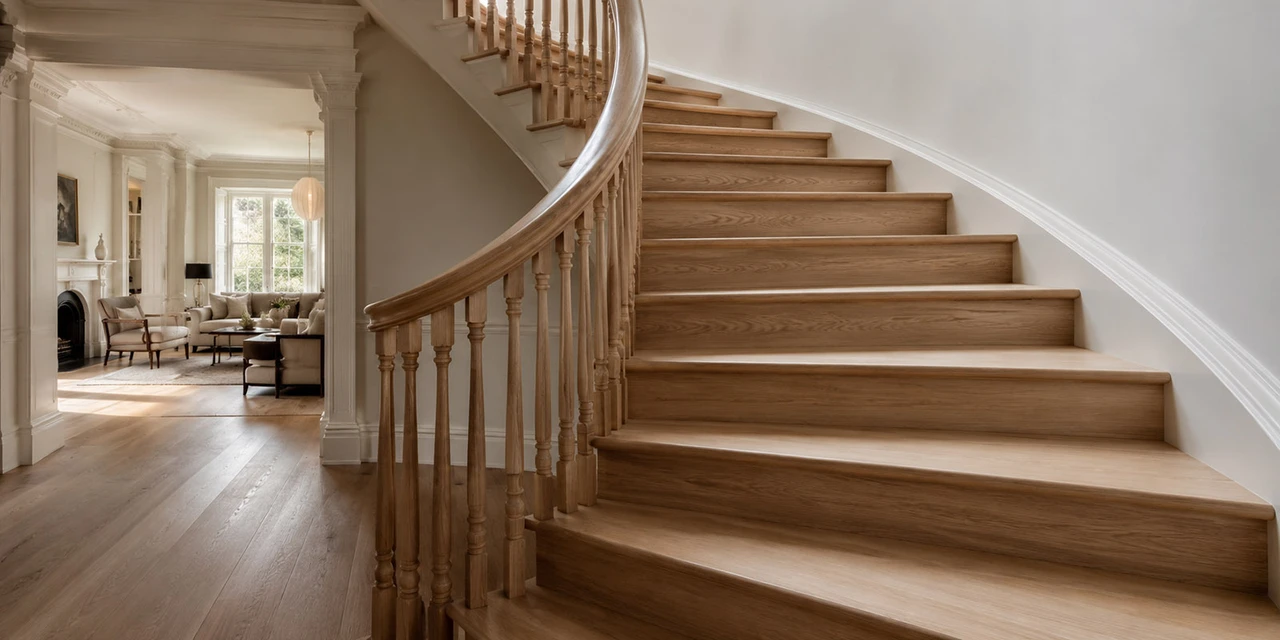
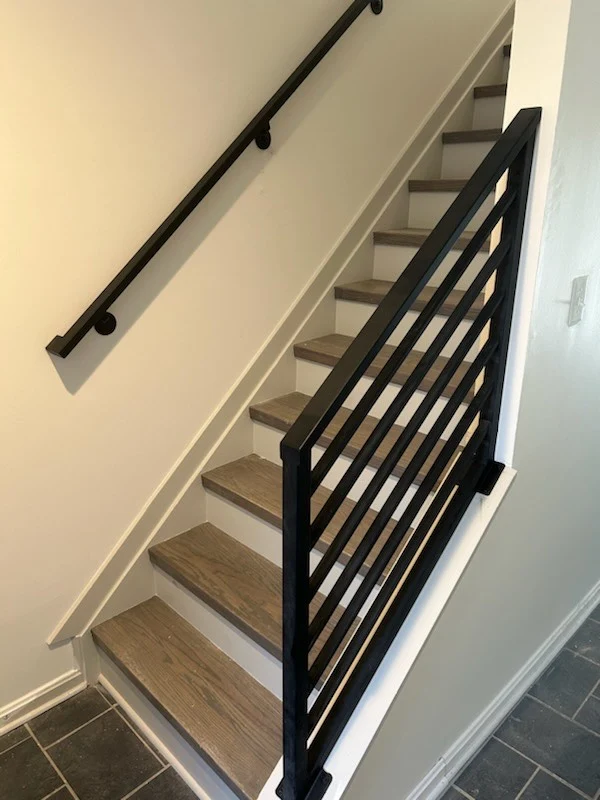
A look at the range of custom cabinetry, finishes and installs from shops across the directory.
Talk to a professional
Not sure which wood or finish fits your kitchen?
Call or text 970-695-1998 and describe what you have in mind. You will get a straight answer on species, finish and realistic cost before you start calling shops.